Introduction
Imagine walking into a hidden paradise filled with vibrant colors, fresh mountain air, and breathtaking views. As a UNESCO World Heritage Site, this wonder attracts travelers from all over, especially those who love adventure and nature. If you’re looking for a trek that combines beauty, wildlife, and a touch of spirituality, the Valley of Flowers must be on your list.
The Enchanting Landscape and Scenic Beauty of Valley of Flowers
The Unique Geographical Features
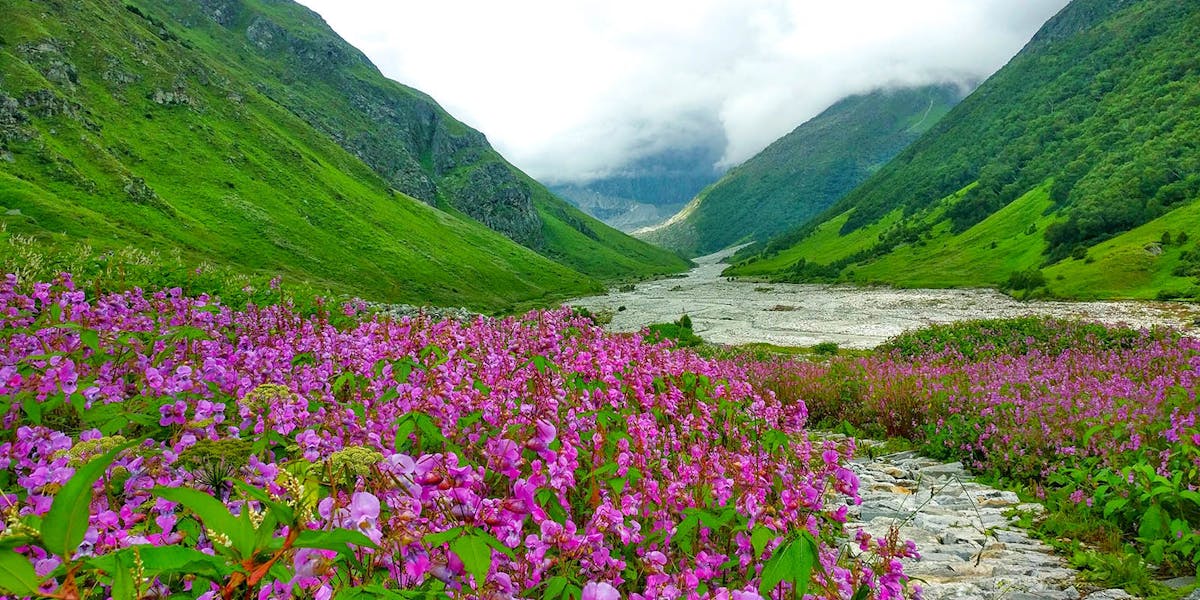
Nestled high in the Uttarakhand Himalayas, the Valley of Flowers sits at an altitude of nearly 3,600 meters (11,800 feet). It’s a land carved by glaciers, with rocky slopes and lush meadows spreading out like a natural blanket. The hills are dotted with crystal-clear streams and small waterfalls, creating a picture-perfect setting for any trekker.
Spectacular Floral Diversity
During the peak blooming season between July and September, the valley bursts into a vibrant paradise of wildflowers, turning it into a breathtaking natural garden.
Panoramic Views and Photographic Opportunities
Trekking through the valley offers spectacular views of towering Himalayan peaks such as Nanda Devi and Trisul. These towering peaks serve as a grand backdrop for your adventure. Want to capture magical photos? Use early mornings for soft light and clear skies — perfect for snappy shots of the dazzling panorama and flower-filled meadows.
Rich Biodiversity and Ecological Significance
Flora and Fauna
The valley is a treasure trove of life, with over 500 species of flowering plants and medicinal herbs. Many of these are rare or endangered. Wildlife sightings aren’t rare either; keep an eye out for the Himalayan monal, the national bird of Nepal, or even the elusive snow leopards during certain seasons. The ecological diversity here is astounding for such a remote place.
Conservation Efforts
As a protected UNESCO site, the Valley of Flowers benefits from strict conservation rules. These measures help preserve its vibrant ecosystem for future generations. Sustainable tourism is key, encouraging trekkers to practice eco-friendly habits and leave no trace behind. Protecting this jewel ensures its beauty remains for years to come.
Educational Value
Nature lovers and students find incredible learning opportunities here. Studying Himalayan flora and fauna in their natural habitat deepens our understanding of mountain ecology. It’s a live classroom of sorts, offering hands-on lessons about biodiversity and conservation.
The Spiritual and Cultural Significance
Historical and Mythological Roots
Legends say the valley was blessed by Sage Hanuman, who visited the Himalayas. The story says the divine flowers bloom here because of this myth. For locals, it’s a sacred place, linked to stories of gods and spiritual energy. The spiritual past adds a special aura, making the trek more meaningful.
Religious Pilgrimages
Many pilgrims trek to the nearby Hemkund Sahib during their spiritual journeys. The trek isn’t only about nature — it’s also about faith. During festivals, locals perform prayers and rituals here, blending spirituality seamlessly with the natural beauty.
The Adventure and Trekking Experience
Trekking Routes and Difficulty Levels
The most popular route starts from Govindghat and takes about 4-6 days round trip. Beginners can choose easier paths, while experienced trekkers might explore more challenging routes that include Hemkund Sahib. Regardless of your skill, the experience is rewarding at every level.
Essential Trekking Tips
Plan your trip during the monsoon season for the best floral display or in late spring for snow-capped mountains. Pack light but include sturdy shoes, warm clothes, and rain gear. Remember, altitude can cause sickness — stay hydrated and pace yourself. Safety is key!
Accommodations and Facilities
Options range from government-run lodges to tent camping. Many find it best to stay in base camps and trek during the day. Prepare for cold nights and variable weather, and keep emergency supplies handy.
Plan Your Next Trek with Trekking Hills
If the Valley of Flowers has already piqued your interest, why stop there? At Trekking Hills, we offer expertly curated trekking packages across Uttarakhand for every season and skill level.
Looking for a quick weekend trek? Explore our Nag Tibba Trek Package – ideal for beginners and just a few hours from Delhi.
Craving alpine meadows and temple views? Check out our Chopta Tungnath Trek Package – home to the highest Shiva temple in the world.
Final Thoughts
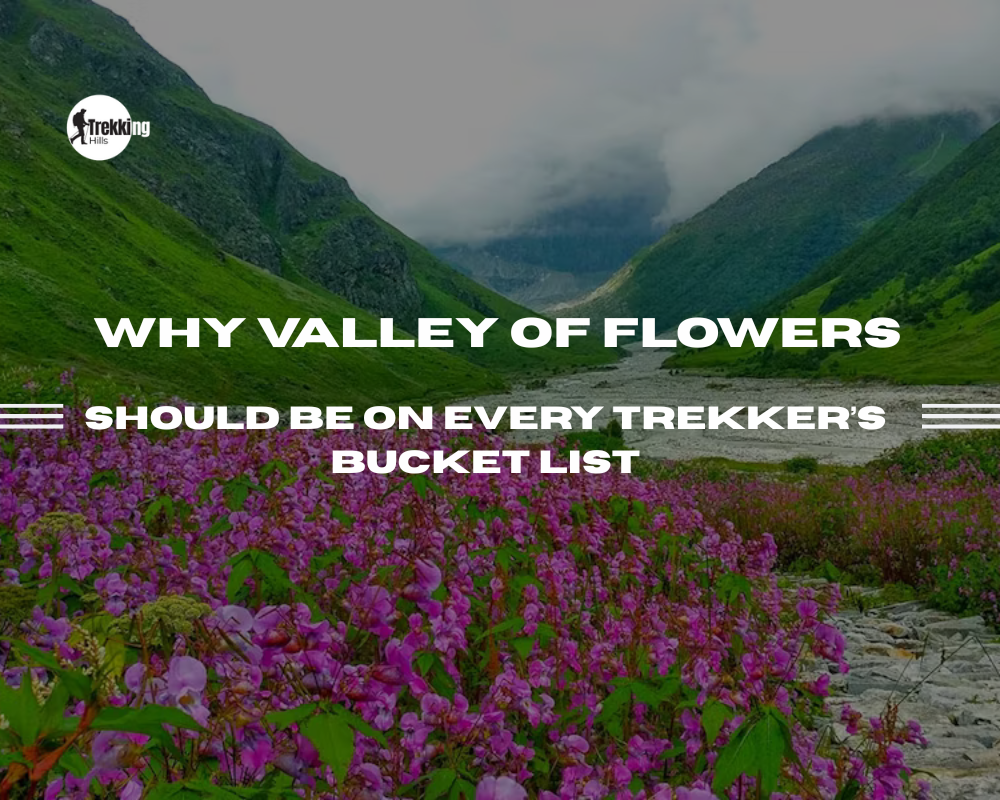
From its rare Himalayan blooms to its surreal landscapes and spiritual vibes, the Valley of Flowers is a must-do trek for anyone passionate about nature and the mountains. Whether you’re a seasoned hiker or just beginning your trekking journey, this destination promises an unforgettable adventure.
Add it to your bucket list—because once you visit, you’ll carry the valley in your heart forever.