Tungnath Trek is one of the most scenic and spiritually fulfilling treks in the Indian Himalayas. Located in the Rudraprayag district of Uttarakhand, Tungnath is the world’s highest Shiva temple, at an altitude of 3,680 meters (12,073 feet). It is one of the Panch Kedar pilgrimage circuits; hence, it is an important religious site for Hindus.
Table of Contents
Tungnath Trek Distance
Main Route: Chopta to Tungnath
- Total Distance Around 3.5 kilometers (one way)
- Trek Duration: 1.5 to 2.5 hours Depend on your Health or fitness
- Trek Gradient: Moderate (stone-paved path with gradual ascent)
- Altitude Gain: From 2,680 meters (Chopta) to 3,680 meters (Tungnath Temple)
Tungnath Temple History
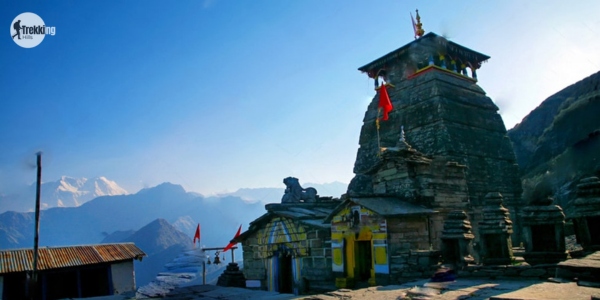
Location:
- Tungnath, Rudraprayag district, Uttarakhand, India
- Elevation: 3,680 meters (12,073 feet) – Highest Shiva temple in the world
Mythological Significance
Tungnath Temple is rooted in Hindu mythology, particularly in the mythology of the Panch Kedar, the five holy temples of Lord Shiva in Uttarakhand. The tale is associated with the Mahabharata and the Pandavas.
The Legend of the Pandavas and Lord Shiva:
- After the Kurukshetra war, The Pandavas then approached Lord Shiva and pleaded with him for forgiveness for having murdered their own relatives.
- Shiva, angered by killing and violence, rejected them and assumed the form of a bull (Nandi).
- He disappeared into the ground at Guptkashi, and his limbs reappeared at five locations to form the Panch Kedar temples :
- Kedarnath – Hump
- Tungnath – Arms
- Madhyamaheshwar – Navel
- Rudranath – Face
- Kalpeshwar – Hair
- Kedarnath – Hump
Therefore, Tungnath is the site where Shiva’s arms appeared, and hence it is the third among the Panch Kedar temples.
Temple Architecture & Features
- Constructed in North Indian architecture (Katyuri architecture)
- Composed of black stone slabs
- Small, ancient shrine but very sacred
- Central sanctum contains a Shiva lingam
- Surrounded by lesser shrines of Parvati and other gods
- Designed to be more than 1,000 years old
Though Small in size, its spiritual strength and elevated position confer a unique and imposing presence upon it.
Religious Importance
- One of the Panch Kedar temples
- Considered as the second holiest Shiva temple of India
- Draws pilgrims, wise men, and trekkers across the globe
- Exists to conduct traditional pahadi rituals by indigenous priests from the village of Makkumath (not South Indian priests like Kedarnath)
- A symbol of atonement, redemption, and commitment
- Blends nature and spirituality because the hike itself is a search for self.
Cultural & Spiritual Impact
- A symbol of penance, devotion, and salvation
- Combines nature and spirituality, as the pilgrimage itself is a path of self-discovery
- Felt that meditation at Tungnath results in freedom (moksha)
Temple Opening & Closing Time
- Open: Approximately April–May (Akhanda Ekadashi or Vaisakh month)
- Close: Approximately October–November (Diwali)
- In winter, Lord Shiva’s idol is transported to nearby Mukkumath village, where rituals are perpetuated.

Tungnath Trek Height
- Elevation: 3,680 meters (12,073 feet) above sea level
- Located in the Garhwal Himalayas, Uttarakhand, India
- Recognized as the highest Shiva temple in the world
Starting Point – Chopta
- Elevation: 2,680 meters (8,790 feet)
- Base point for the Tungnath trek and Chandrashila treks
- Surrounded by alpine meadows and dense forests
Best Time to Visit Tungnath Trek
The Tungnath Temple is accessible to pilgrims and trekkers from April/May to October/November, based on weather conditions and dates of opening of the temples. The trekking route, however, is always open, and there is something different to experience every season of the year.
1. Spring (April to Early May)
- Weather is Cool and pleasant (8°C to 18°C)
- Trail Condition are Clear and occasional patches of snow
- Best Time For Temple darshan, beginner trekkers, flower lovers
- Highlights: Blooming rhododendrons, green meadows, fewer tourists
- Temple Status: Open at Last Week of April or First Week of May (exact date changes each year)
Why Visit: Perfect mix of cool weather, Temple is Open and vibrant nature
2. Summer (Mid May to June)
- Weather: Mild days (10°C to 22°C), cold evenings
- Trail Condition are Dry and easy to walk
- Best Time For Pilgrims, families, first-time trekkers
- Crowd Level are extreme to high due to school & collage holidays
- Views Clear Himalayan ranges, sunny skies
Why Visit: Comfortable trekking, temple is open, full spiritual or scenic vibe

3. Monsoon (July to Mid-September)
- Weather is Wet, frequent rain (8°C to 18°C)
- Trail Condition are Slippery, risk of landslides
- Best Time For: Nature photographers
- Cons: poor visibility, Roads Closed possible
Caution: Not recommended for beginners. Always check weather before planning a trek
4. Post-Monsoon / Autumn (Mid-September to October)
- Weather is Crisp, clear, charming(6°C to 15°C)
- Trail Condition are Clean, scenic, dry
- Best Time For Photography, trekking or Chandrashila summit
- Crowd Level are Medium
- Temple is Open till around Diwali
Why Visit: Possibly the best time — great visibility, fewer rains, and active pilgrimage season.
5. Winter (November to March)
- Weather is to extreme cold (-5°C to 10°C)
- Trail Condition are Snow-covered (from Dec onward)
- Best Time For: Snow lovers, experienced trekkers and adventure
- Temple Status: Closed (idol moved to Mukkumath village)
- Highlights: Snow trek to Tungnath & Chandrashila, peaceful trail
Caution: Carry proper winter gear and only for physically fit and experienced trekkers.

Important Notes:
- Temple Opening & Closing Dates: Based on Hindu calendar (check yearly updates).
- Overall Months to visit are May–June and September–October.
Interesting Facts About Tungnath is:
- Mentioned in ancient scriptures, including Skanda Purana
- It is believed that the sage Vyas Rishi directed the Pandavas to build these temples
- Tungnath is “Lord of the Peaks” (Tungan = Peak, Nath = Lord)
Conclusion About Tungnath Trek
Tungnath is not only a heaven for trekkers, but a spiritual Himalayan treasure that intermixes myth, religion, and nature. Whether you come to it for adventure or spirituality, the divine energies and tranquility of Tungnath Temple imprint an unforgettable mark on every soul.