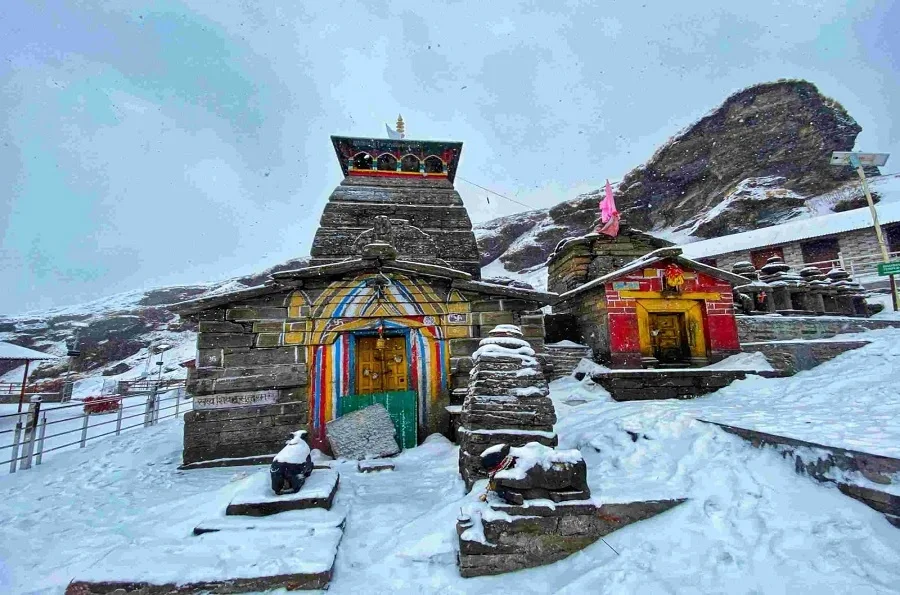
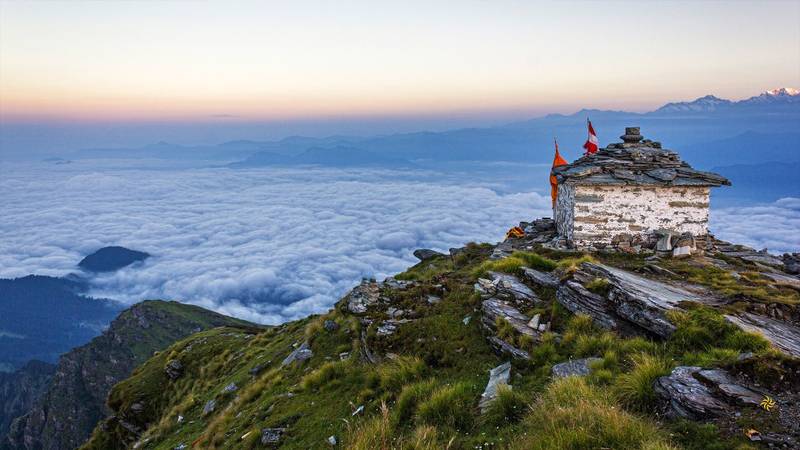
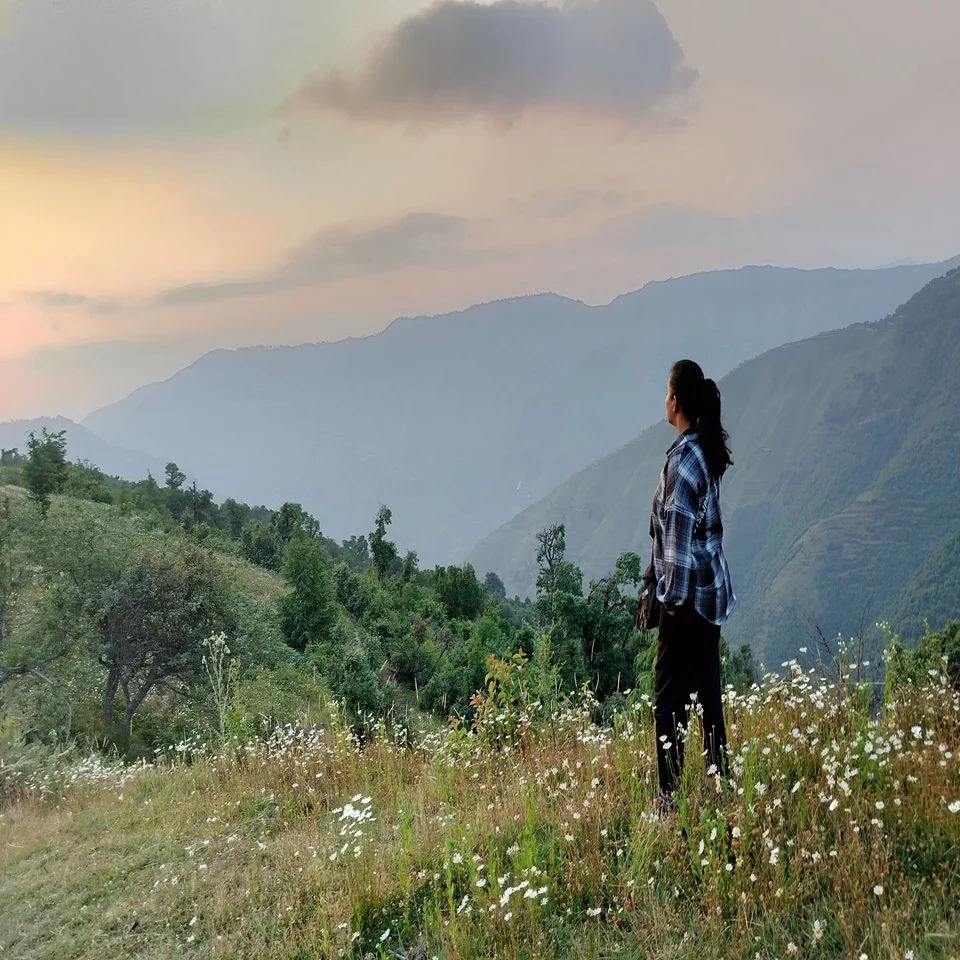
Chopta is such a beautiful trek in Uttarakhand. It’s one of the best weekend treks in the serene Chopta and Tungnath areas of the northern Himalayas.
The best time for the Tungnath trek is from March to December, where you will get to witness the mesmerizing views of the Himalayas. At an altitude of 13,000 feet lined with fog, coniferous trees and snow, this is a trek that you must take.



Warm layered clothing (thermal innerwear, fleece, down jacket)
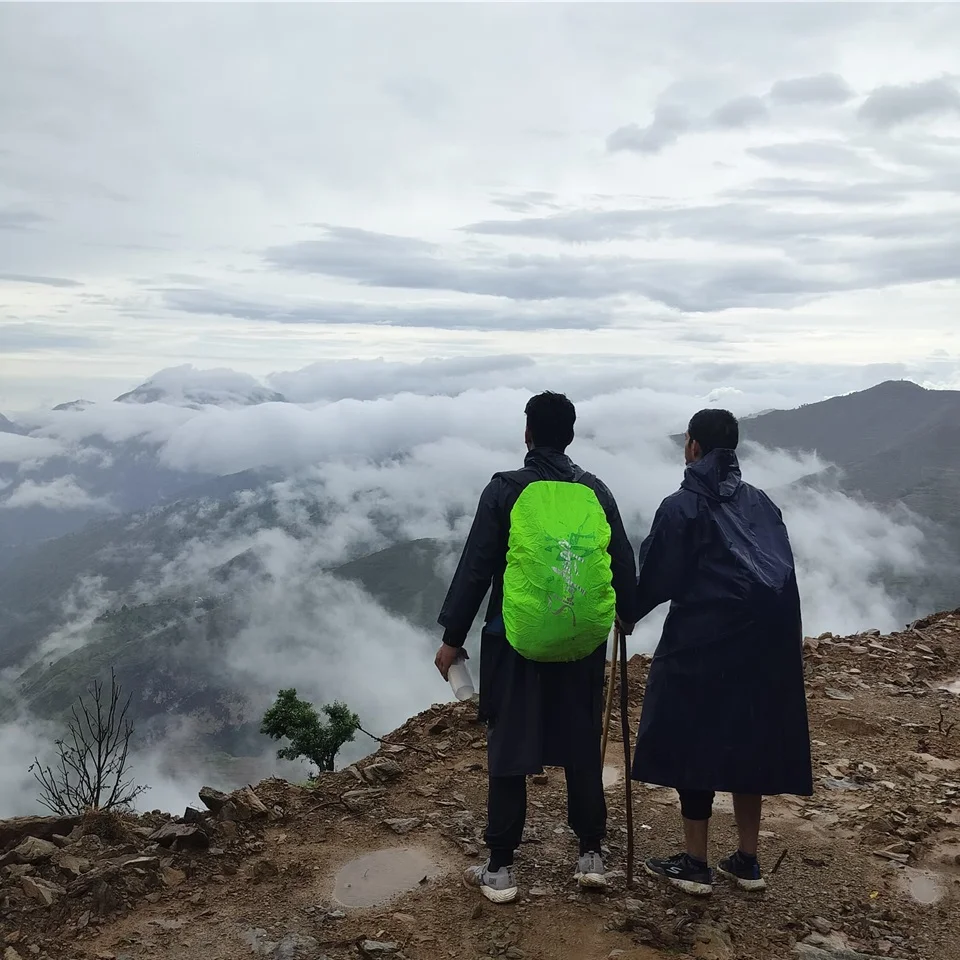
Waterproof windcheater or poncho
Trekking shoes with good grip
Backpack (30–40L) with rain cover
Torch/headlamp with extra batteries
Water bottle or hydration pack
Basic first-aid kit
Government ID proof
Woolen cap, gloves, and socks
Sunglasses with UV protection
Sunscreen and lip balm (SPF 30+)
Personal toiletries (eco-friendly)
Trekking pole (optional but helpful)
Energy bars, dry fruits, and snacks
Power bank for charging essentials
Small towel and hand sanitizer
Full-Sleeve Dry-Fit T-shirts
Quick-dry trekking pants
Insulated jacket (for night temperatures)
Extra pair of socks and underwear
Waterproof trekking boots or sports shoes (no slippers)
Yes, the Chopta Trek is a great option for beginners. The trail is short, well-defined, and doesn't require advanced trekking experience. With basic fitness and preparation, most people can complete it easily.
The ideal time for the Chopta Trek is from March to May and September to November. These months offer clear skies, pleasant weather, and stunning views of the Himalayan peaks.
The total distance of the trek is around 5 kilometers one way. It takes about 4 to 6 hours to complete, depending on your pace and fitness level.
Carry good trekking shoes, warm clothing, a rain jacket, water, energy snacks, a flashlight, and basic first aid. The weather can change quickly, so layers are recommended.
Hiring a guide is optional since the trail is well-marked and popular. However, first-time trekkers or those unfamiliar with the region may benefit from having one.
Yes, winter trekking in Chopta is possible and offers snow-covered landscapes, but it’s more challenging. Proper winter gear and experience with cold-weather trekking are essential.
WhatsApp us
